Tag
incremental.
A list of PC games filtered by the "incremental" tag, ranked by quality, popularity, and price.

Wait for Sale
Company is watching
Quality
63
Popularity
13
Value
49

Wait for Sale
Arms Dealer
Quality
62
Popularity
17
Value
49

Wait for Sale
Tidy or Treat
Quality
61
Popularity
10
Value
52

Wait for Sale
Neko Neko Shop
Quality
63
Popularity
12
Value
50

Wait for Sale
Rogue Snake
Quality
66
Popularity
11
Value
48

Wait for Sale
Orbitmine
Quality
66
Popularity
22
Value
40
Wait for Sale
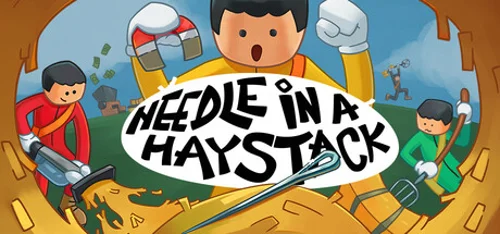
Needle In A Haystack
Quality
57
Popularity
18
Value
51

Wait for Sale
Never Enough Corn
Quality
66
Popularity
10
Value
47

Wait for Sale
100 Cats Lost in China 2 Find & Color
Quality
37
Popularity
4
Value
82

Wait for Sale
Moose Miners
Quality
57
Popularity
22
Value
46

Wait for Sale
The Best Duck Clicker
Quality
61
Popularity
17
Value
46

Wait for Sale
Goblin Buster: Incremental Tower Defense
Quality
59
Popularity
18
Value
47

Wait for Sale
Universal Harvest: Incremental
Quality
56
Popularity
20
Value
47

Wait for Sale
A Game About Getting Bigger
Quality
55
Popularity
20
Value
50

Wait for Sale
Forge Maiden
Quality
57
Popularity
18
Value
50

Wait for Sale
Office Leveling
Quality
48
Popularity
12
Value
62

Wait for Sale
Ballatory
Quality
59
Popularity
16
Value
47

Wait for Sale
Pier Pals
Quality
63
Popularity
9
Value
50
Tag, what is it good for
What is a tag page?
Tag pages group games by their Steam tags, like Singleplayer, RPG, or Co-op. Every game here carries that tag in Steam's own database, so the category reflects how the community and developer actually describe it.
How are "Top of the heap" picks chosen?
We rank by our overall score, which blends Quality (Steam reviews and Metacritic), Popularity (active players) and Value (current price against its history). The top game is the one scoring highest across all three right now.
Why does the count differ from Steam's?
Steam counts every game that has ever carried this tag, including early-access titles, DLC, bundles, and games with no review data. We only index games with enough data for a meaningful score, so our count is smaller, but each entry is actually evaluated.