Tag
incremental.
A list of PC games filtered by the "incremental" tag, ranked by quality, popularity, and price.

Wait for Sale
Swish Ball Clicker
Quality
34
Popularity
20
Value
79

Wait for Sale
Spell Knight: Abyss Cleaver
Quality
60
Popularity
24
Value
50

Wait for Sale
Pick Ball
Quality
54
Popularity
17
Value
62

Wait for Sale
Miseria
Quality
50
Popularity
21
Value
60

Wait for Sale
Around The Core
Quality
65
Popularity
17
Value
50

Wait for Sale
Mining and Dwarves
Quality
53
Popularity
18
Value
64
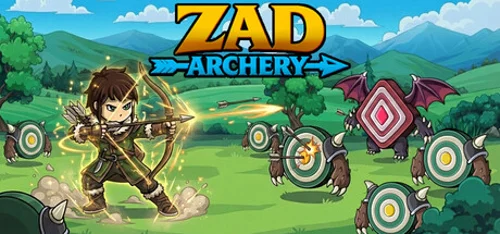
Wait for Sale
Zad Archery
Quality
61
Popularity
24
Value
50

Wait for Sale
Little Ghosties
Quality
67
Popularity
14
Value
49

Wait for Sale
Artillery Miner
Quality
61
Popularity
20
Value
51

Wait for Sale
The Last Buffet
Quality
37
Popularity
8
Value
85

Wait for Sale
Miners Cat Revolution
Quality
49
Popularity
—
Value
78

Wait for Sale
孟德大小姐与自爆少年THREE KINGDOM FANTASY
Quality
54
Popularity
40
Value
40

Wait for Sale
LORED
Quality
63
Popularity
19
Value
46

Wait for Sale
Story of Animal Sprite
Quality
69
Popularity
17
Value
42

Wait for Sale
The Eastern Sacrifice
Quality
48
Popularity
41
Value
47

Wait for Sale
Lux Anima
Quality
59
Popularity
21
Value
50

Wait for Sale
More fish - Idle Clicker
Quality
62
Popularity
20
Value
46

Wait for Sale
Majestria: Incremental Survival
Quality
62
Popularity
24
Value
47
Tag, what is it good for
What is a tag page?
Tag pages group games by their Steam tags, like Singleplayer, RPG, or Co-op. Every game here carries that tag in Steam's own database, so the category reflects how the community and developer actually describe it.
How are "Top of the heap" picks chosen?
We rank by our overall score, which blends Quality (Steam reviews and Metacritic), Popularity (active players) and Value (current price against its history). The top game is the one scoring highest across all three right now.
Why does the count differ from Steam's?
Steam counts every game that has ever carried this tag, including early-access titles, DLC, bundles, and games with no review data. We only index games with enough data for a meaningful score, so our count is smaller, but each entry is actually evaluated.