Tag
Organizing.
A list of PC games filtered by the "Organizing" tag, ranked by quality, popularity, and price.

Wait for Sale
Sort the Luggage
Quality
37
Popularity
4
Value
79

Wait for Sale
Garage: Tidy Up!
Quality
56
Popularity
15
Value
50

Wait for Sale
Vinyl Store: Tidy Up!
Quality
31
Popularity
11
Value
79

Wait for Sale
Custom Corner
Quality
57
Popularity
8
Value
52
Wait for Sale
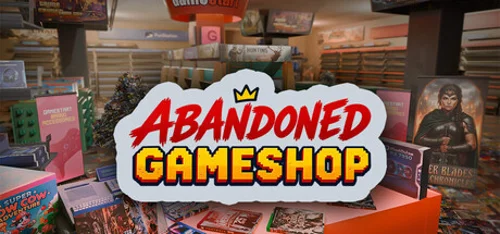
Abandoned Gameshop
Quality
55
Popularity
14
Value
50

Wait for Sale
2D Factory
Quality
30
Popularity
7
Value
80

Wait for Sale
Garden Cleanup Simulator
Quality
30
Popularity
7
Value
80

Wait for Sale
Pocket Parade
Quality
28
Popularity
10
Value
80

Wait for Sale
Museum Disarter
Quality
48
Popularity
11
Value
52

Wait for Sale
Another Tavern Simulator
Quality
28
Popularity
5
Value
79
Wait for Sale
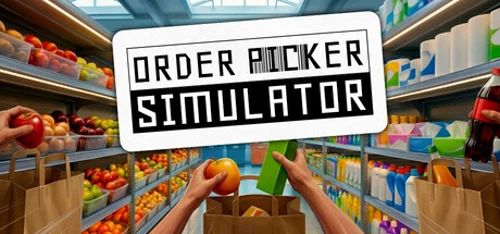
Order Picker Simulator
Quality
48
Popularity
13
Value
50

Wait for Sale
Alchemess: Tidy Up Your Potion Shop!
Quality
45
Popularity
13
Value
52

Wait for Sale
Cook with Card
Quality
48
Popularity
12
Value
47

Skip This
I.T.C.B - Interstellar Trade Compliance Bureau
Quality
36
Popularity
24
Value
51

Skip This
Jigsaw Diorama: The Alchemist and the Eclipse
Quality
43
Popularity
10
Value
52

Skip This
Vinyl Freak: Unsorted
Quality
42
Popularity
10
Value
51

Skip This
Shelf-Employed
Quality
20
Popularity
3
Value
78

Skip This
Tech Chaos
Quality
34
Popularity
6
Value
52
Tag, what is it good for
What is a tag page?
Tag pages group games by their Steam tags, like Singleplayer, RPG, or Co-op. Every game here carries that tag in Steam's own database, so the category reflects how the community and developer actually describe it.
How are "Top of the heap" picks chosen?
We rank by our overall score, which blends Quality (Steam reviews and Metacritic), Popularity (active players) and Value (current price against its history). The top game is the one scoring highest across all three right now.
Why does the count differ from Steam's?
Steam counts every game that has ever carried this tag, including early-access titles, DLC, bundles, and games with no review data. We only index games with enough data for a meaningful score, so our count is smaller, but each entry is actually evaluated.