Tag
Nostalgia.
A list of PC games filtered by the "Nostalgia" tag, ranked by quality, popularity, and price.
Worth It
Rise of Nations: Extended Edition
Quality
93
Popularity
34
Value
73
Worth It
The Gardens Between
Quality
88
Popularity
54
Value
76
Worth It
Divinity: Original Sin (Classic)
Quality
90
Popularity
32
Value
87
Worth It
Sacred Gold
Quality
80
Popularity
29
Value
96

Worth It
Space Rangers HD: A War Apart
Quality
83
Popularity
31
Value
80
Worth It
Parkitect
Quality
90
Popularity
31
Value
73
Worth It
Return to Monkey Island
Quality
90
Popularity
32
Value
81
Worth It
Gothic 1 Classic
Quality
88
Popularity
33
Value
71
Worth It
Age of Mythology: Extended Edition
Quality
82
Popularity
37
Value
69
Worth It
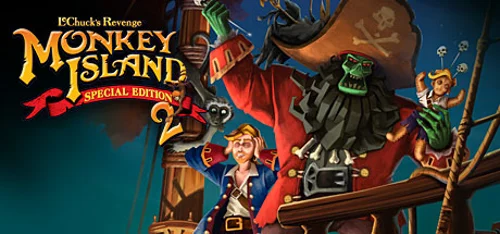
Monkey Island™ 2 Special Edition: LeChuck’s Revenge™
Quality
92
Popularity
28
Value
79
Worth It
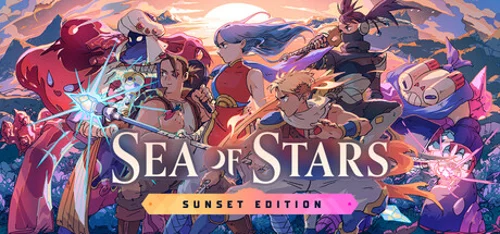
Sea of Stars: Sunset Edition
Quality
88
Popularity
33
Value
66
Maybe
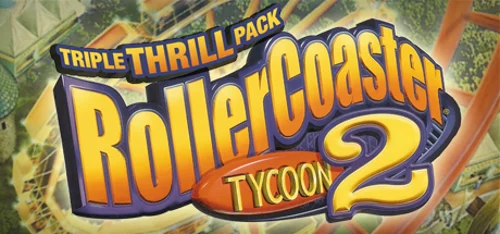
RollerCoaster Tycoon® 2: Triple Thrill Pack
Quality
83
Popularity
30
Value
81
Maybe
realMyst: Masterpiece Edition
Quality
71
Popularity
26
Value
96
Maybe
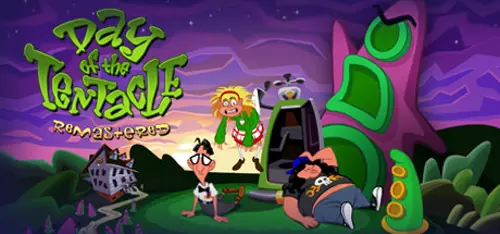
Day of the Tentacle Remastered
Quality
94
Popularity
29
Value
69

Maybe
Syberia
Quality
86
Popularity
29
Value
75
Maybe
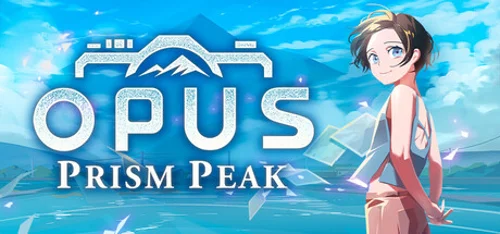
OPUS: Prism Peak
Quality
90
Popularity
25
Value
75
Maybe
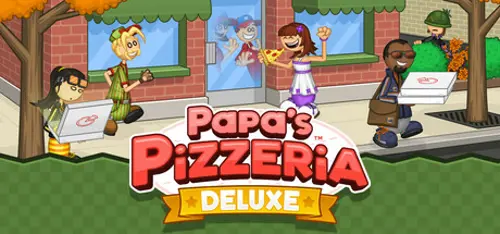
Papa's Pizzeria Deluxe
Quality
79
Popularity
29
Value
80
Maybe
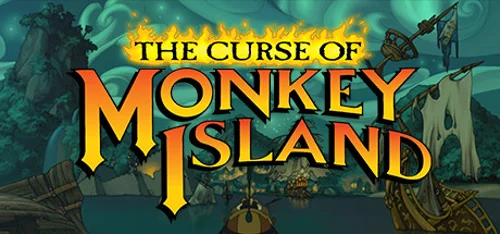
The Curse of Monkey Island
Quality
95
Popularity
28
Value
65
Tag, what is it good for
What is a tag page?
Tag pages group games by their Steam tags, like Singleplayer, RPG, or Co-op. Every game here carries that tag in Steam's own database, so the category reflects how the community and developer actually describe it.
How are "Top of the heap" picks chosen?
We rank by our overall score, which blends Quality (Steam reviews and Metacritic), Popularity (active players) and Value (current price against its history). The top game is the one scoring highest across all three right now.
Why does the count differ from Steam's?
Steam counts every game that has ever carried this tag, including early-access titles, DLC, bundles, and games with no review data. We only index games with enough data for a meaningful score, so our count is smaller, but each entry is actually evaluated.