Tag
Magic.
A list of PC games filtered by the "Magic" tag, ranked by quality, popularity, and price.
Wait for Sale
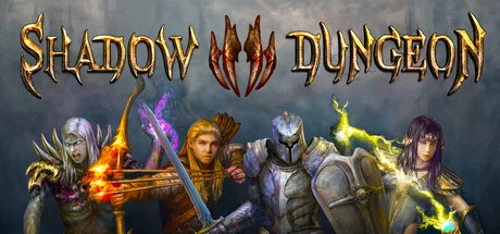
Shadow Dungeon
Quality
64
Popularity
26
Value
63

Maybe
LUNAR Remastered Collection
Quality
72
Popularity
23
Value
57

Wait for Sale
FIND ALL 4: Magic
Quality
78
Popularity
22
Value
48

Wait for Sale
There Are No Orcs
Quality
75
Popularity
25
Value
49

Wait for Sale
The Jewel of Monostructure
Quality
76
Popularity
34
Value
43

Wait for Sale
Garden of Witches
Quality
74
Popularity
27
Value
49

Wait for Sale
Avowed
Quality
64
Popularity
33
Value
47
Wait for Sale
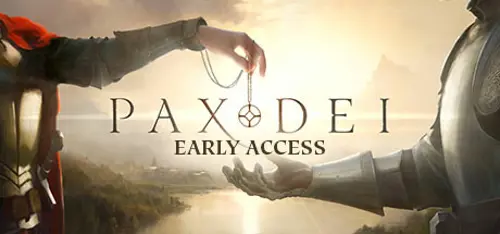
Pax Dei
Quality
51
Popularity
31
Value
70

Wait for Sale
Tracery of Fate
Quality
57
Popularity
34
Value
61

Wait for Sale
Dark Deity 2
Quality
84
Popularity
26
Value
42

Wait for Sale
Spells & Secrets
Quality
60
Popularity
20
Value
70

Wait for Sale
Slay or Fall
Quality
69
Popularity
35
Value
46

Wait for Sale
Umineko When They Cry - Question Arcs
Quality
76
Popularity
28
Value
47

Wait for Sale
Demon Skin
Quality
53
Popularity
33
Value
69

Wait for Sale
Wylde Flowers
Quality
76
Popularity
27
Value
48

Wait for Sale
Erenshor
Quality
75
Popularity
27
Value
48

Wait for Sale
SWORD ART ONLINE Fractured Daydream
Quality
55
Popularity
27
Value
71

Wait for Sale
Royal Order
Quality
70
Popularity
33
Value
47
Tag, what is it good for
What is a tag page?
Tag pages group games by their Steam tags, like Singleplayer, RPG, or Co-op. Every game here carries that tag in Steam's own database, so the category reflects how the community and developer actually describe it.
How are "Top of the heap" picks chosen?
We rank by our overall score, which blends Quality (Steam reviews and Metacritic), Popularity (active players) and Value (current price against its history). The top game is the one scoring highest across all three right now.
Why does the count differ from Steam's?
Steam counts every game that has ever carried this tag, including early-access titles, DLC, bundles, and games with no review data. We only index games with enough data for a meaningful score, so our count is smaller, but each entry is actually evaluated.